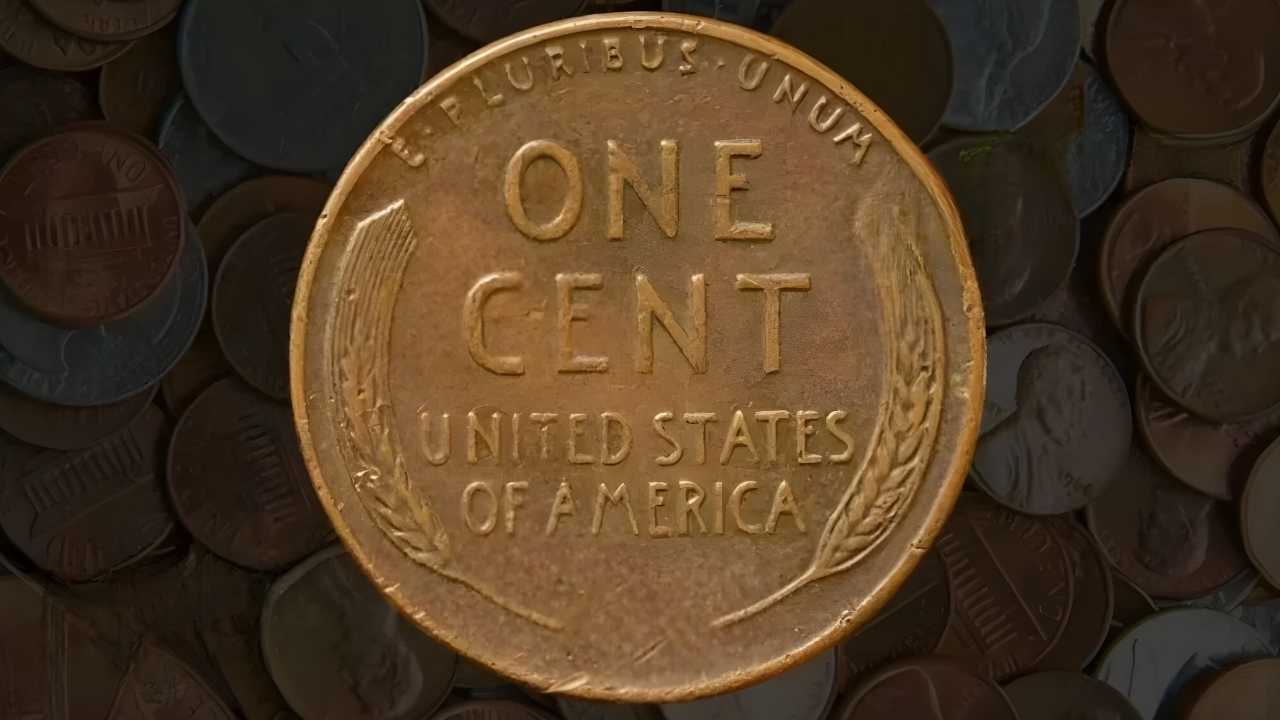
Wheat Penny Value Guide: Wheat pennies, commonly known as Lincoln wheat cents, have captivated collectors for generations. First introduced in 1909 to honor Abraham Lincoln on the centennial of his birth, these coins remained in production until 1958 and earned a lasting legacy in American coinage. While countless pieces entered circulation, certain dates and varieties have become prized rarities that command strong premiums today.
History and Significance of Wheat Pennies
The wheat penny was created by Victor David Brenner and marked a major shift in U.S. coin design. Its introduction honored Abraham Lincoln, the first time an actual American figure appeared on circulating currency. The reverse design highlighted two wheat stalks symbolizing prosperity, which helped the coin quickly stand out from earlier designs.
Collectors appreciate wheat pennies not only for their historical roots but also for the diversity of rare dates, minting errors, and varieties that have emerged over the years. Key issues like the 1909 S VDB and 1914 D are recognized as cornerstone pieces in the Lincoln cent series, while others gained value due to mintmark anomalies or low production totals.
Key Dates and Mintmarks
Identifying a wheat penny’s mint year and mintmark is one of the most important steps in evaluating its worth. These coins were produced at three U.S. Mint facilities: Philadelphia (no mintmark), Denver (D), and San Francisco (S). Some dates have minimal surviving examples, making them significantly more valuable.
The 1909 S VDB remains the most famous due to its small mintage and immediate collector demand. The 1914 D is another top rarity with limited availability. The 1922 No D penny stands out because the Denver Mint accidentally produced cents without a mintmark, turning it into a highly desirable variety. Additionally, the 1955 doubled die penny is prized for its dramatic doubling error that can be seen clearly on the coin’s lettering.
Condition and Grading
The condition of a wheat penny heavily influences its selling price. Coins are evaluated using a numerical grading scale, with Mint State examples bringing the highest premiums. Look for details such as sharp wheat stalks, crisp lettering, and minimal signs of wear. Even common-date pennies can become valuable when found in exceptional condition.
Collectors should avoid cleaning coins, as it can strip natural surfaces and lower value. Having important wheat pennies professionally graded by reputable organizations can help verify authenticity and maximize market demand.
Market Trends and Investment Potential
Wheat pennies have maintained strong collector interest for decades, making them a reliable category within numismatics. Key dates consistently rise in value, especially examples certified in higher grades. Coins like the 1909 S VDB, 1955 doubled die, and 1914 D frequently attract competitive bidding at auctions.
The market tends to reward well-preserved examples and coins with unique characteristics. Graded pieces with clear labels and authentication often command higher prices because buyers trust their accuracy. Long-term collectors view wheat pennies as both a historical artifact and a potential investment.
Common Mistakes to Avoid
New collectors often overlook key details such as mintmarks or small variations that significantly affect value. It is also common for beginners to mistakenly clean coins, which can reduce their worth. Buyers should remain cautious when purchasing online or from unverified sources, as counterfeit wheat pennies exist. Authenticity and grading from trusted experts help ensure fair value.
Key Highlights
Wheat pennies were produced from 1909 to 1958 and remain iconic American collectibles
Key rarities include the 1909 S VDB, 1914 D, 1922 No D, and 1955 doubled die
Mintmarks are essential in determining scarcity and pricing
Coin condition and professional grading greatly influence value
Wheat pennies offer a blend of historical interest and investment opportunity
Final Verdict
Wheat pennies represent a fascinating chapter in U.S. coinage and continue to attract collectors seeking historical significance and potential value. Understanding mintmarks, key dates, and grading standards allows collectors to identify truly rare pieces within the series. Whether you find an early 1909 VDB penny or a high-grade wheat cent tucked away in a collection, these coins offer a rewarding experience for both hobbyists and investors.

Disclaimer
This article is intended for informational purposes only. Coin values fluctuate based on market trends, condition, demand, and professional grading. Always consult a certified numismatist or reputable coin dealer before buying or selling valuable coins.