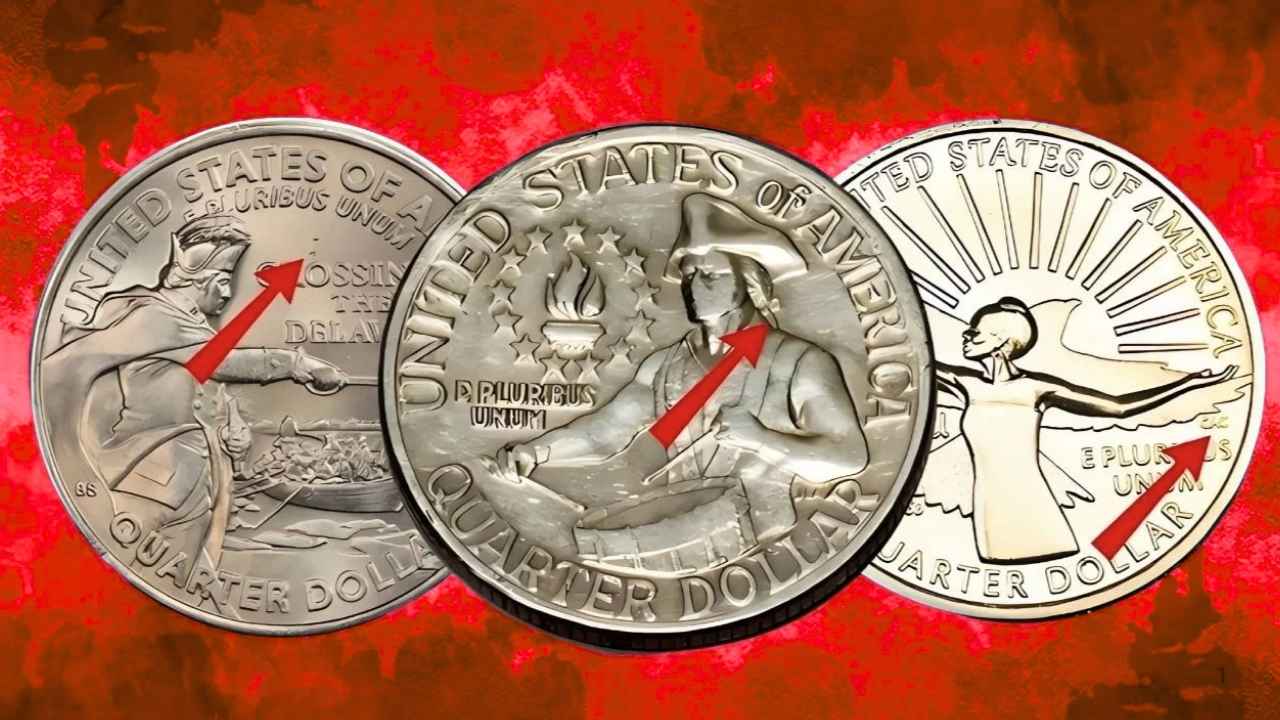
The Growth of State Quarters: When the U.S. Mint introduced the 50 State Quarters Program in 1999, it quickly became one of the most engaging coin series in American history. Spanning a decade until 2009, the program celebrated each state’s unique culture and heritage, inspiring millions to start checking their spare change for new designs. Over time, the value of these quarters has been influenced by condition, rarity, and collector demand, turning some everyday coins into prized collectibles.
Overview of the State Quarters Program
The program released five new state-themed quarters every year, following the chronological order of statehood. This predictable schedule created excitement and anticipation among collectors of all ages, from students to seasoned numismatists.
What Made the Program So Popular
Collectors and casual savers alike were drawn to the State Quarters for several reasons:
- Each coin highlighted a distinct state symbol, landmark, or cultural element
- Billions of quarters entered circulation, making them widely accessible
- Special editions, such as silver proofs, attracted serious collectors
- Introduced younger generations to the hobby of coin collecting
The combination of accessibility, artistry, and educational value made the series a nationwide phenomenon.

How State Quarter Values Have Changed Over Time
While most state quarters circulated widely and stayed near face value, certain factors caused some coins to appreciate significantly.
Key Factors Affecting Value
- Condition: Uncirculated and proof coins often sell for higher prices
- Mint Errors: Misstrikes, off-center designs, die cracks, and double dies create collectible rarity
- Low Mintage: Coins from states with fewer minted quarters tend to be more desirable
Typical Value Ranges
- Circulated coins: 25 cents
- Uncirculated coins: $1 to $5
- Silver proof versions: $5 to $40+
- Error coins: $50 to several hundred dollars depending on rarity
Even with billions produced, coins in exceptional condition or rare variations continue to grow in value.
Collector Trends Over the 11-Year Program
The State Quarters Program reshaped modern U.S. coin collecting.
Observations from Collectors
- Early enthusiasm caused temporary spikes in value for popular states
- Most coins stabilized at face value once circulation increased
- Long-term appreciation remains strongest for silver proofs, low-mintage issues, and error coins
- Complete 50-coin sets continue to be highly sought after
Collectors still aim to build full sets, keeping interest alive even decades after the program ended.
Why State Quarters Hold a Special Place in U.S. Coin History
Despite their widespread circulation, State Quarters remain a memorable and collectible series. They combined history, geography, and artistry, making coin collecting both educational and entertaining.
Key reasons for their enduring appeal:

- Made coin collecting accessible and fun
- Offered 50 unique designs, each telling a story
- High-quality, low-mintage, and error coins maintain strong collector interest
- Inspired new generations of numismatists
Final Verdict
The 50 State Quarters Program remains a landmark initiative in U.S. coin history. While most circulated quarters remain worth 25 cents, collectors continue to value uncirculated, silver proof, and error coins. For both new and experienced collectors, state quarters offer a fun, educational, and potentially rewarding way to explore America’s past.
Disclaimer
This article is for informational purposes only. Coin values fluctuate over time based on condition, rarity, and market demand. Readers should verify details with professional numismatic resources or certified coin dealers before making investment decisions.