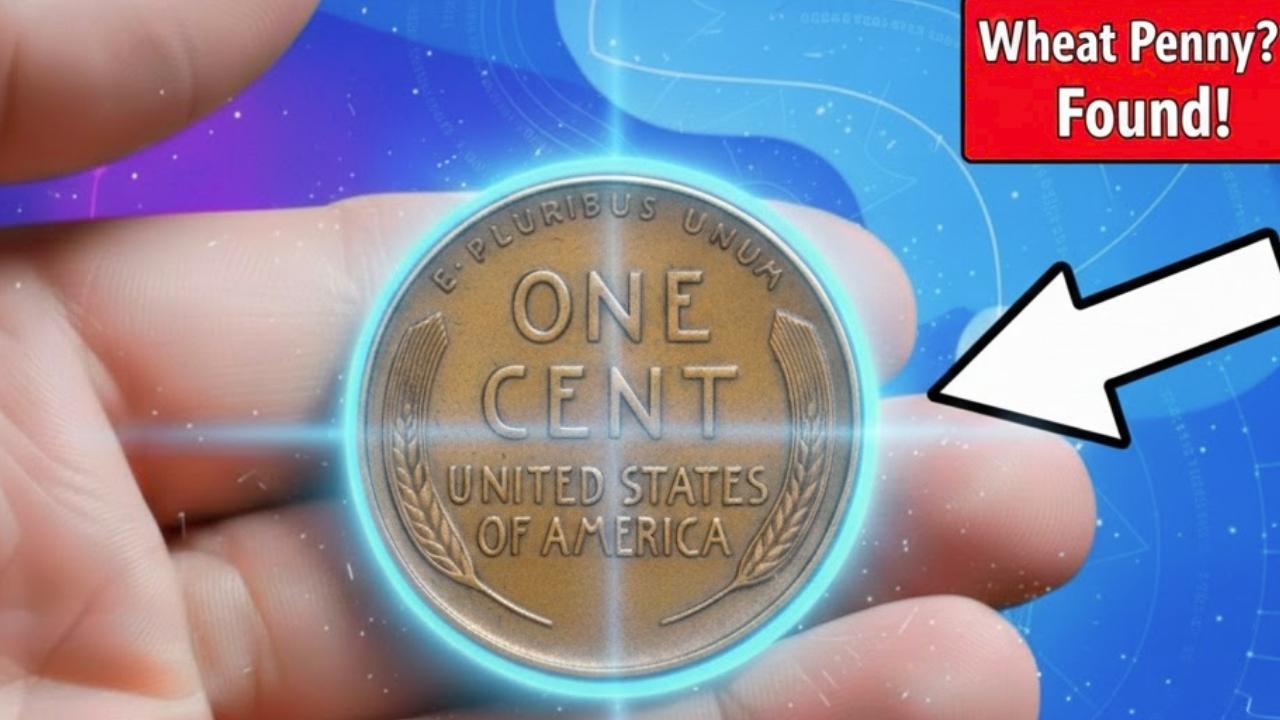
Wheat Penny Values 1909–1958: Wheat pennies continue to be some of the most intriguing coins in American numismatic history. Their long run from 1909 to 1958 has produced a rich mix of rare dates, striking mistakes, and unusually scarce varieties that keep collectors searching through pocket change and old coin jars.
1909-S VDB Wheat Penny
The 1909-S VDB is widely regarded as the crown jewel of the series. Its production was extremely limited due to the brief use of Victor D. Brenner’s initials, which were removed shortly after release. Surviving examples in pristine condition routinely achieve five-figure prices, and its universal appeal ensures it remains a cornerstone of Lincoln cent collections.
1909-S Wheat Penny (No VDB)
This companion rarity from the same year is heavily sought-after because of its low mintage and importance in completing early-date sets. Although it lacks the designer initials, its scarcity alone drives consistent market demand, especially for certified mint-state examples.
1914-D Wheat Penny
This Denver Mint issue is one of the toughest mid-series dates to acquire in high grade. Counterfeits are common, which makes authenticated examples even more valuable. Its steady price performance has earned it a reputation as a reliable long-term collectible.
1922 No D Wheat Penny
Among the most dramatic production mishaps in U.S. coinage, this variety was created when worn dies failed to leave a mintmark on the coin. Only a small number with the correct diagnostic features exist, placing it among the most desirable minting errors in the Wheat penny series.
1931-S Wheat Penny
Produced during the economic strain of the Great Depression, the 1931-S had a notably low mintage. Although many were saved, upper-grade survivors remain limited. Collectors continue to favor this date for its historical context and consistent price strength.
1943 Bronze Wheat Penny
This legendary error, created when leftover bronze planchets from earlier years were accidentally struck in 1943, is one of the most famous coins in American history. With only a tiny number confirmed, top-quality examples have brought hundreds of thousands of dollars at auction.
1944 Steel Wheat Penny
Struck under unusual circumstances when steel planchets from 1943 were mistakenly used again, this error is extremely scarce. Its rarity and World War II historical significance make it a headline-worthy piece whenever one appears at auction.
1955 Doubled Die Obverse Wheat Penny
The dramatic doubled lettering and date on this coin make it instantly recognizable. Collectors prize it for its striking visual appeal and limited number of sharp examples. Demand for this variety has remained strong for decades.
1958 Doubled Die Wheat Penny
One of the final-year rarities of the Wheat series, this doubled die is exceptionally scarce. With very few authenticated examples known, it stands among the rarest of all Lincoln cent varieties and commands significant auction attention.
Wheat Penny Market Trends in 2025
Recent market patterns show rising enthusiasm for classic U.S. coins, especially those from the early 20th century. Certified high-grade pieces, error varieties, and key dates continue to see increased bidding activity online. Mid-grade coins have also enjoyed steady appreciation as more collectors pursue complete sets.
Final Verdict
Wheat pennies offer a unique blend of historical depth, rarity, and investment appeal. From early mintmark scarcities to dramatic error coins, the series contains some of the most rewarding finds in American coin collecting. Whether searched out in ordinary change or acquired from reputable dealers, these standout pieces hold enduring value for collectors of every level.
Disclaimer
This guide provides general numismatic insights and estimated value factors. Actual coin prices depend on professional grading, market conditions, and individual buyer demand. Always authenticate rare coins before purchasing or selling.