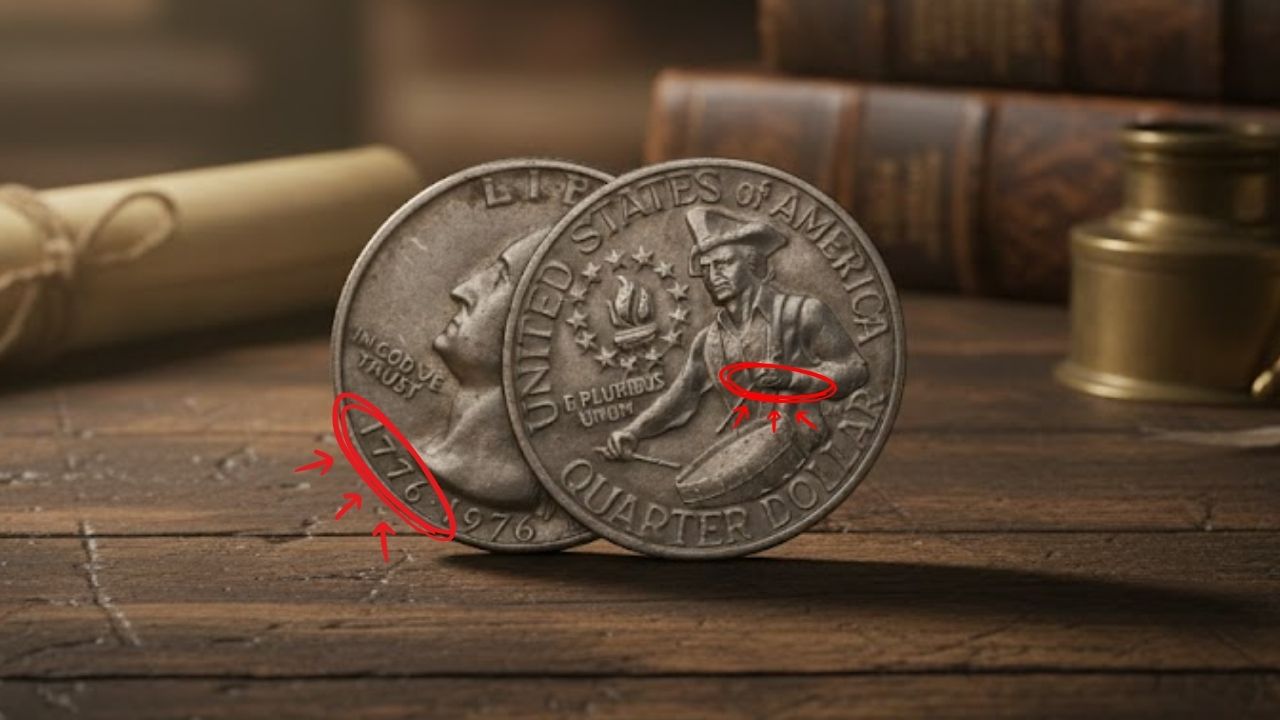
1776–1976 Bicentennial Quarter Value Guide: The 1776–1976 quarter dollar, commonly called the Bicentennial quarter, holds a special place in U.S. coin history. Created to mark 200 years of American independence, this coin stands out because of its unique dual date and its patriotic drummer boy reverse. While millions were produced and most are still only worth face value, a small number of rare versions and error coins have become highly valuable, surprising both casual collectors and seasoned numismatists.
1776–1976 Bicentennial Quarter Value Guide Chart
| Bicentennial Quarter Type | Metal Composition | Typical Value Range |
|---|---|---|
| Circulated clad (Philadelphia) | Copper-nickel | Face value |
| Circulated clad (Denver) | Copper-nickel | Face value |
| Uncirculated clad | Copper-nickel | $1 to $5 |
| Uncirculated silver | 40% silver | $4 to $10 |
| Silver proof | 40% silver | $8 to $15 |
| Deep cameo silver proof | 40% silver | $25 to $100+ |
| Double die error | Varies | $50 to $500+ |
| Off-center or clipped planchet error | Varies | $30 to $300+ |
| Rare silver planchet error | Silver | $1,000 to several thousand |
Understanding why some Bicentennial quarters are worth more than others starts with learning how and why these coins were produced during the mid-1970s.
Understanding the 1776–1976 Bicentennial Quarter
Unlike regular Washington quarters, Bicentennial quarters replaced the eagle reverse with a colonial drummer boy holding a torch surrounded by stars. All of these quarters were struck in 1975 and 1976, but none carry a 1975 date. Instead, every coin displays the dual date 1776–1976.
There were three primary versions made. The most common type is the copper-nickel clad quarter intended for everyday circulation. These were minted in Philadelphia and Denver. In addition, the U.S. Mint produced special 40 percent silver versions exclusively for collectors. These silver quarters were struck in San Francisco and sold in uncirculated and proof sets, never meant for circulation.
Why Most Bicentennial Quarters Are Common
Because hundreds of millions of Bicentennial quarters were made, most examples found in pocket change are not rare. Circulated clad quarters usually show wear and are worth no more than twenty-five cents. Their value increases only when condition, composition, or minting mistakes set them apart from standard issues.
Collectors often overestimate value simply because the coin looks different from modern quarters. True rarity comes from silver content, exceptional condition, or clear minting errors rather than age alone.
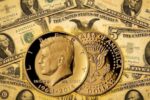
Rare 1776–1976 Quarters Worth Big Money
Some Bicentennial quarters stand out as genuine collector prizes. One of the most valuable varieties is a silver planchet error. These coins were mistakenly struck on 40 percent silver blanks intended for collector issues, even though the coin itself appears to be a circulation strike. Because silver and clad planchets were handled separately, this type of error is extremely uncommon.
Double die varieties are another key category. These coins show visible doubling on the lettering, date, or drummer boy design. Since these errors occur during die preparation, only a limited number reach circulation before being corrected.
Other valuable examples include off-center strikes where part of the design is missing or shifted and clipped planchets where a portion of the metal blank is absent. Coins with dramatic visual errors and clearly visible dates tend to command the strongest prices.
The Importance of Condition and Grade
Condition plays a major role in determining value. A Bicentennial quarter preserved in mint state condition with strong luster can be worth several times more than a worn example. Proof coins, especially silver proofs with deep cameo contrast, are especially desirable when free from scratches or clouding.
Professional grading can significantly impact value. Coins certified by major grading services often sell for higher prices because buyers trust the authenticity and condition assessment.
How to Identify Valuable Bicentennial Quarters
Start by examining the coin’s edge. Silver quarters have a solid silver-colored edge, while clad quarters show a copper stripe. Weight can also help, as silver quarters are slightly heavier than clad versions.
Next, check the mint mark. Philadelphia coins have no mint mark, Denver coins show a D, and San Francisco coins carry an S. Only San Francisco produced the silver versions, making that mint mark critical for identifying potential silver pieces.
Carefully inspect the design using magnification. Look for doubling in the date, lettering, or drummer boy details. Also examine the rim and overall shape for signs of off-center strikes or clipped planchets.
Collecting and Investment Potential
While most Bicentennial quarters are not investment-grade coins, select varieties continue to gain attention. Error coins, high-grade silver proofs, and rare planchet mistakes are the strongest performers in the collector market. These coins appeal not only because of value but also because they represent a unique moment in U.S. history.
Collectors who take time to learn the differences between common and rare versions improve their chances of spotting valuable pieces in everyday change, estate collections, or old coin rolls.
Final Verdict
The 1776–1976 Bicentennial quarter is far more than a commemorative design. While the majority remain ordinary, a small group of rare varieties can be worth hundreds or even thousands of dollars. Silver issues, major minting errors, and high-grade proof examples are the true standouts. With careful inspection and a basic understanding of key features, collectors can uncover Bicentennial quarters that are genuinely worth big money.
Disclaimer
This article is provided for general informational purposes only. Coin values depend on condition, rarity, grading, and current market demand. Prices mentioned are approximate and may change over time. Always seek confirmation from a certified coin grading service or a reputable numismatic professional before buying or selling collectible coins.